


Pune Metro Line 3 & Hinjewadi Property: What Buyers Should Know
By Life Republic Editorial Team | Published: June 23, 2026 | Updated: October 04, 2026
Market Trends And Analysis
Read Time: 6 min
Table of Content
Metro connectivity can change how people access an area, but it does not automatically determine property prices. For buyers evaluating Hinjewadi and the surrounding residential corridor, Pune Metro Line 3 is one part of a larger location decision that also includes road connectivity, employment access, housing supply, project quality and first and last mile travel.
This guide explains how to evaluate the potential property market implications of Metro Line 3 without treating future appreciation as guaranteed. For current route, station and opening status information, see our dedicated Pune Metro Line 3 update.
What Is Pune Metro Line 3?
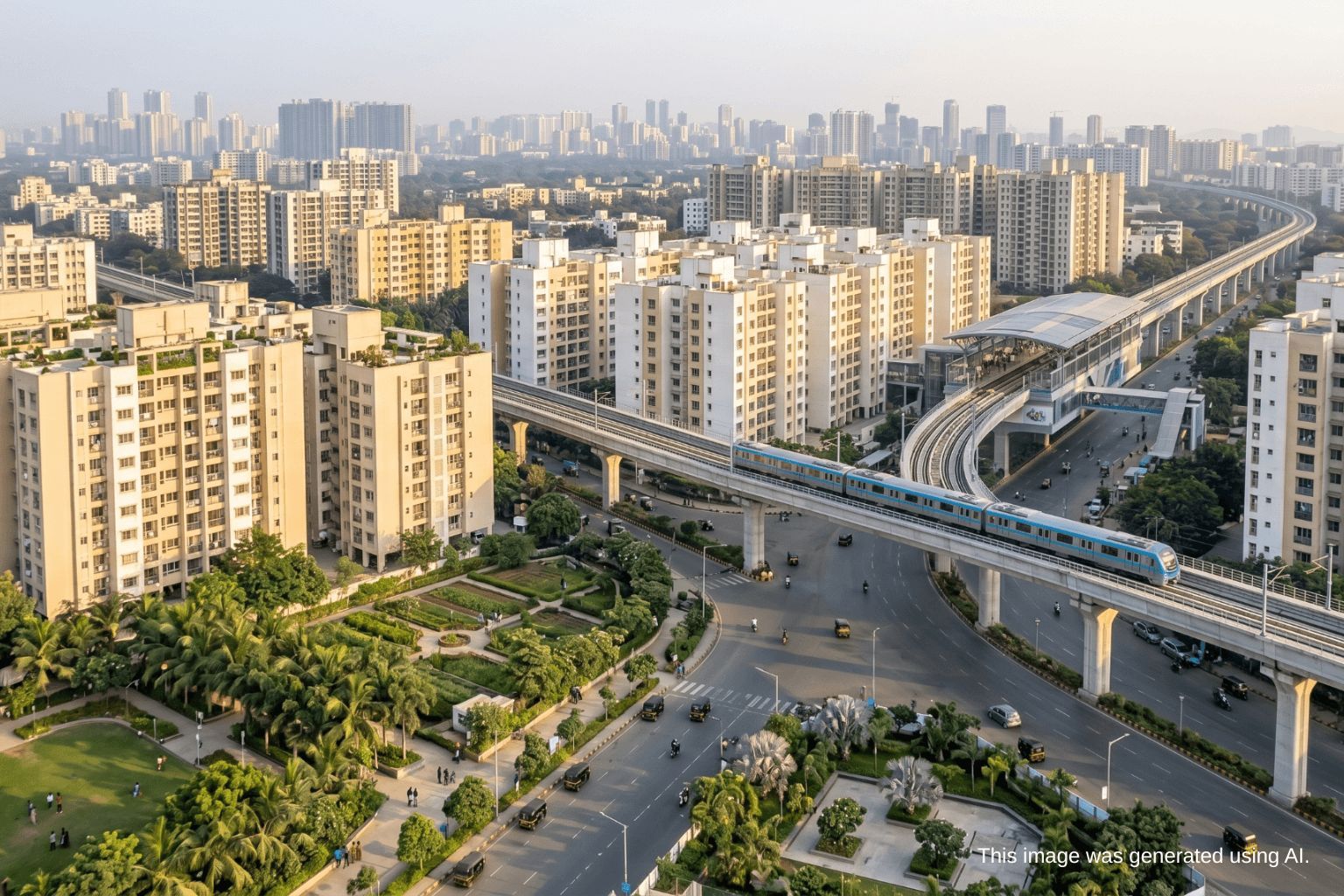
Pune Metro Line 3 is the 23.203 km elevated Maan-Hinjawadi to Shivajinagar corridor planned across 23 stations. For the latest passenger-service status, safety clearances, route and station updates, see our dedicated Pune Metro Line 3 update.
Can Metro Connectivity Affect Property Markets?
Proximity to mass transit can influence how a location is perceived and used, and that can show up in demand for nearby property. But the size of any effect varies widely by city, station location, surrounding development, property type and prevailing market conditions, so it should not be treated as a fixed formula that applies the same way everywhere.
Academic research synthesising multiple rail transit studies across different markets has found that property value effects near rail stations vary substantially rather than following one consistent pattern, as shown in a cross-market meta-analysis of rail transit and property values. That variability is the reason this guide does not quote a single expected appreciation percentage for Hinjewadi.
What Metro Can and Cannot Change
| Metro Can Influence | Metro Cannot Guarantee |
|---|---|
| Accessibility to central Pune via an additional transport mode | Property appreciation |
| Availability of public transit as a commute option | Rental yield |
| Travel predictability for journeys along the specific corridor it serves | Faster travel to every destination |
| Potential commercial activity around well-used station areas | Project quality or construction standards |
| Buyer awareness and consideration of an area | Resale profit or a specific timeline |
How Should Buyers Evaluate Property Near a Metro Corridor?
A useful evaluation looks past straight-line distance to a station and considers the following:
- Actual station access: the specific station that would serve the property, not distance measured in a straight line.
- First and last mile connectivity: how someone would actually get from the home to that station in practice.
- Employment connectivity: whether the line serves the workplaces the household actually uses.
- Existing road infrastructure: the metro adds an option; it does not replace daily road journeys for most trips.
- Project status and quality: transport access does not compensate for construction, delivery or build-quality concerns.
- Neighbourhood supply: how much new housing is coming to the area independent of the metro, since supply affects pricing on its own.
- Daily-use relevance: whether the household would realistically use the line often enough for it to matter.
- Current pricing context: compare the property's current asking price with similar homes in the surrounding market rather than assuming future Metro connectivity will automatically create additional value.
What Could Line 3 Mean for the Hinjewadi-Marunji Corridor?
Once operational, Metro Line 3 gives the Hinjewadi IT corridor a mass transit link toward Balewadi and central Pune that does not currently exist. That is primarily an accessibility change: an additional way to travel a specific route, alongside the existing road network, rather than a replacement for it. How much it affects any individual property will depend on that property's actual distance and route to a functioning station once services begin.
What Does Metro Line 3 Mean for Life Republic?
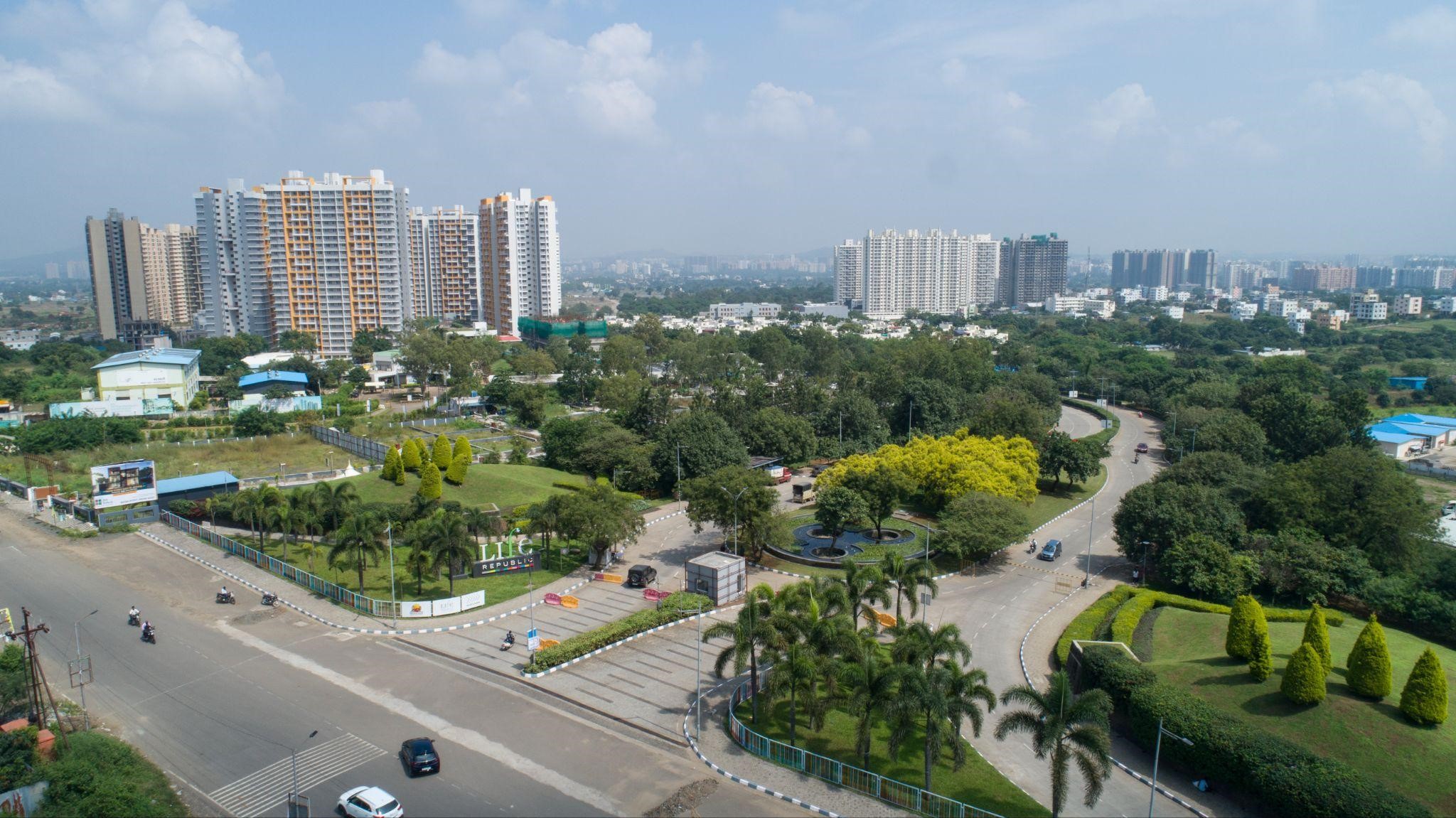
Life Republic is an established integrated township in the Marunji-Hinjewadi corridor. Metro Line 3 adds another public-transport option to the broader Hinjewadi connectivity network, but residents will still depend on first and last mile access between the township and whichever station serves the area. For the township's fuller location context, see the Life Republic Location Guide. For the corridor's current Metro status, see the Pune Metro Line 3 update.
Should Metro Connectivity Influence Your Buying Decision?
Yes, as one of several location factors, not the deciding one. Buyers should weigh actual station access, first and last mile connectivity, project status, road infrastructure, daily travel patterns and the home itself. Future Metro connectivity should be treated as one input into a broader location and home-buying decision, not as a guarantee of future property performance.
FAQs
- Does Metro connectivity affect residential property demand?
It can influence accessibility and how buyers perceive a location, which in turn can affect demand. The size of that effect varies by city, station and market, so it should not be assumed to follow a fixed pattern.
- Does being near a Metro station guarantee property appreciation?
No. Proximity to transit is one input among many, including supply, employment growth and project quality. It does not guarantee a specific price outcome.
- What factors determine whether Metro connectivity benefits a residential project?
Actual station access, first and last mile connectivity, surrounding infrastructure, nearby employment, project quality, and local housing supply and demand all play a role.
- How should buyers evaluate a home near Pune Metro Line 3?
Check the specific station that would serve the property, how you would actually reach it, current road connectivity, project status, and how its asking price compares with similar homes in the surrounding market, rather than relying on distance alone.
- Is Life Republic directly on Pune Metro Line 3?
Life Republic sits in the wider Marunji-Hinjewadi corridor rather than directly on the Metro Line 3 alignment. Residents would still depend on first and last mile travel to reach whichever station serves the area.
- What could Metro Line 3 mean for the Hinjewadi-Marunji corridor?
Once operational, it adds a mass-transit option connecting the corridor to Balewadi and central Pune, alongside the existing road network. It is an accessibility change rather than a guaranteed price outcome.
- Where can I find the latest Pune Metro Line 3 opening status?
See our dedicated Pune Metro Line 3 update, which tracks route, stations and passenger-service status as PMRDA's position changes.
- Should buyers choose a property solely because it is near a Metro corridor?
No. Metro access is one factor among several, including project quality, price, employment access and daily travel needs. It should inform a decision, not drive it alone.
Sources
PMRDA's official Pune Metro Line 3 page is the source for route, station count and safety-clearance detail.
The impact of rail transit on property values: a meta-analysis of recent evidence, published in Transport Policy, synthesises rail transit studies across multiple markets and is the basis for the variability referenced above.
- Does Hinjewadi have a metro?
Pune Metro Line 3 is the Maan-Hinjawadi to Shivajinagar corridor, a 23.203 km elevated line with 23 stations. For current station and passenger service status, see our Metro Line 3 guide.
Share this article


24K Espada
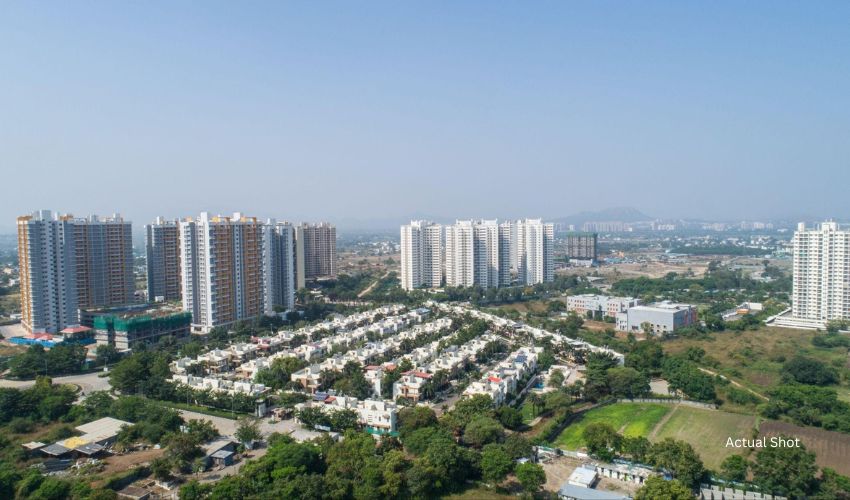
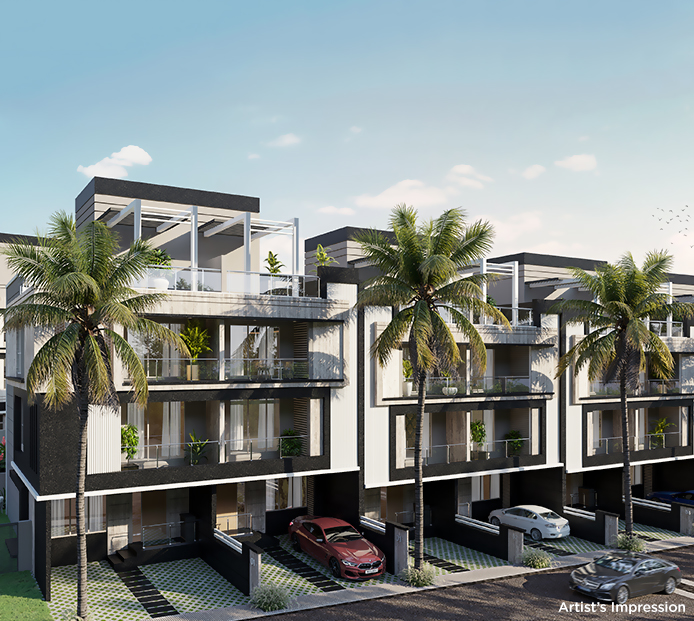
4 and 5 BHK Row Houses at 24K Espada, Hinjewadi
Possession: October 2026
RERA: P52100051876