


NRI Guide to Buying Property in Pune: Process, Documents & Key Checks
By Life Republic Editorial Team | Published: December 11, 2024 | Updated: October 20, 2026
Residential Properties
Read Time: 9 min
Table of Content
NRIs can purchase eligible residential and commercial property in India, subject to applicable FEMA/RBI rules. Buying while living overseas adds practical considerations around documentation, payment, financing, taxation, project verification and execution of documents.
This guide walks through what an NRI actually needs to buy a home in Pune, eligibility, paperwork, payments, home loans, remote execution through a Power of Attorney, and the checks worth making before booking.
Can an NRI Buy Property in Pune?
Yes. Under FEMA regulations, an NRI (Non-Resident Indian) or OCI (Overseas Citizen of India) can buy residential and commercial property anywhere in India, including Pune, without needing prior RBI approval.
What an NRI cannot buy, under the same rules, is agricultural land, plantation property or a farmhouse, these can only be acquired by inheritance or gift, not by direct purchase. This distinction is worth confirming before proceeding with any land parcel marketed with those characteristics. For the current regulatory position, see the RBI’s Master Direction on Acquisition and Transfer of Immovable Property under FEMA.
What Documents Does an NRI Need to Buy Property?
Exact requirements vary by developer, bank and transaction type, but the documents an NRI buyer is typically asked for include:
- Valid passport
- PAN card, mandatory for property transactions in India
- Overseas address proof
- Indian address proof, where available
- OCI or PIO card, where applicable
- Recent passport-size photographs
- Bank KYC documents for the account payments will route through
- Income and employment documents, if applying for financing
- Power of Attorney, where the buyer will not be present for parts of the transaction
Not every document applies to every transaction, confirm exact requirements with the developer or your bank before booking.
How Can an NRI Pay for Property in India?
Payments are generally made through an NRE (Non-Resident External), NRO (Non-Resident Ordinary) or FCNR (Foreign Currency Non-Resident) account held with an Indian bank, or by direct inward remittance from abroad through normal banking channels. Payment cannot be made in foreign currency directly to the seller, and routes outside these mechanisms fall outside what is permitted.
Repatriation of sale proceeds is also regulated, the permitted amount and route depend on how the original purchase was funded. Current rules are set out by the RBI under FEMA; confirm the applicable route with your bank before transacting. See the RBI’s guidance on immovable property transactions for the current framework.
Can an NRI Get a Home Loan in India?
NRI home loans are available from most major Indian banks and housing finance companies, but eligibility, loan-to-value ratio and documentation differ from a resident applicant’s, country of residence, income type and the specific project can all affect terms.
Because these terms vary by lender and change over time, this guide doesn’t quote loan-to-value percentages or EMI figures. Check current eligibility and terms directly with your bank or lender before assuming a specific loan amount.
Can an NRI Buy Property Without Travelling to India?
Yes. This is one of the more common ways NRIs complete a purchase, through a Power of Attorney (POA) that authorises a trusted representative in India to sign documents, make payments or complete registration on the buyer’s behalf.
A POA executed outside India for use in a property transaction generally needs to be notarised and, depending on the country, attested or apostilled before it is valid for use in India. The underlying agreement and registration still go through the standard stamping and registration process at the relevant Sub-Registrar’s office.
Because a POA gives real authority to another person, its scope should be limited to what the transaction actually requires, and the project and title should still be verified independently. A POA does not substitute for that due diligence.
NRI Property Buying Process
A structured approach reduces most of the risk that comes with buying at a distance:
- Define your property requirement, configuration, budget, purpose (end-use or investment) and preferred location
- Verify the project and the developer, track record, delivery history and current standing
- Check MahaRERA registration for the specific project and phase
- Review title and legal documentation with an independent lawyer, not just the developer’s paperwork
- Confirm your payment and financing route before booking
- Review the agreement for sale and the payment schedule carefully
- Complete the applicable registration and documentation formalities
- Plan for possession and ongoing property management if you will continue living overseas
Verifying a Pune Project Through MahaRERA
Every residential project in Maharashtra above a certain size must be registered with MahaRERA before it can be marketed or sold. The MahaRERA website lets buyers check a project’s registration number, the promoter’s details, the declared completion timeline, the approvals and documents the promoter has made available, and any project updates filed with the authority.
This verification is a starting point, not a guarantee: RERA registration confirms a project is registered and disclosing information as required, but it doesn’t eliminate the need for independent legal and financial due diligence before you commit.
What Should an NRI Verify Before Booking?
- MahaRERA registration status for the specific project/phase
- Title and legal due diligence, ideally through an independent lawyer
- Agreement for sale terms and conditions
- Payment schedule and linkage to construction milestones
- Possession timeline and any penalty clauses for delay
- Carpet area as stated in the agreement, not just marketing material
- Maintenance charges and other ongoing costs
- Tax implications of the purchase, holding and eventual sale
- Power of Attorney requirements, if you won’t be present for parts of the transaction
- Current inventory and pricing directly with the developer or an authorised channel partner
Taxes an NRI Should Consider When Buying Property in India
Property transactions by NRIs typically involve TDS (tax deducted at source) on sale consideration, capital gains tax on eventual sale, tax on any rental income earned in India, and rules around repatriating funds and applying tax treaty benefits where relevant. Provisions such as Section 54 and 54F, and the applicable surcharge and cess, can all affect the final tax outcome, and having a PAN is a basic requirement for most of these transactions.
Tax treatment depends on the transaction and the buyer/seller’s circumstances. Obtain current advice from a qualified Indian tax professional before completing the transaction. For the current framework, refer to the Income Tax Department’s resources for non-residents.
Buying at Life Republic as an NRI
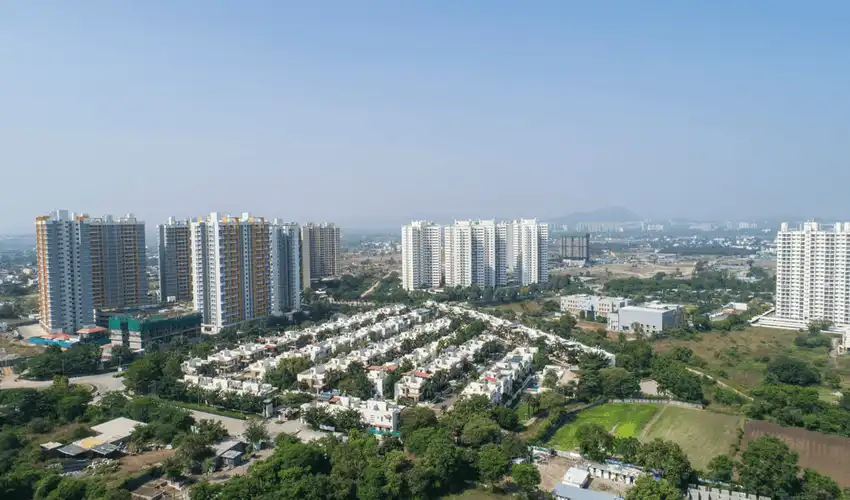
Life Republic is a 400+ acre integrated township near Hinjewadi, developed in phases across multiple residential projects and configurations. Because each project within the township carries its own MahaRERA registration and construction status, verify the specific project you’re considering rather than treating the township as a single entity.
To see current project options, explore Life Republic’s residential projects. For details on the location and connectivity to Hinjewadi and the wider Pune IT corridor, see the location guide. For a broader view of available configurations across Pune, see flats in Pune.
Buying From Overseas: Practical Questions to Resolve
Before finalising a purchase you won’t be physically present for, it helps to have clear answers to:
- Who will inspect the unit or site on your behalf?
- Who signs documents locally, and under what authority?
- Does your Power of Attorney need attestation or apostille for the country you’re in?
- How exactly will payments be made and tracked?
- How will original documents be handled and stored?
- Who attends possession on your behalf?
- Who manages snagging and any defect reporting after handover?
- Who handles maintenance and property management after possession?
NRI Property Buying Red Flags
- Pressure to transfer money before documentation is in place
- Project or RERA information that doesn’t match what’s in the sales material
- Requests for payment through channels outside normal banking routes
- Unverified promises of guaranteed returns
- Discrepancies between quoted price/area and what’s in the agreement
- Power of Attorney drafted with unusually broad or vague wording
- Reluctance to share the agreement for sale or project documentation on request

Frequently Asked Questions
Can an NRI buy residential property in Pune?
Yes. NRIs and OCIs can buy residential and commercial property anywhere in India, including Pune, without prior RBI approval, subject to FEMA regulations.
Can an NRI buy agricultural land in India?
No. Agricultural land, plantation property and farmhouses cannot be purchased directly by NRIs, these can only be acquired through inheritance or gift. See the RBI’s guidance on property acquisition under FEMA for the current rules.
What documents does an NRI need to buy property?
Commonly required documents include a valid passport, PAN card, overseas and Indian address proof, OCI/PIO card where applicable, photographs, bank KYC documents, income documents for financing, and a Power of Attorney if you won’t be present for the transaction. Exact requirements vary by developer and bank.
Can an NRI get a home loan in India?
Yes, NRI home loans are available from most major Indian banks and housing finance companies, though eligibility, loan-to-value ratio and documentation vary by lender. Check current terms directly with your bank before assuming a specific loan amount.
Can an NRI buy property without travelling to India?
Yes, through a Power of Attorney that authorises a representative in India to sign documents and complete the transaction. The POA typically needs notarisation and, depending on your country of residence, attestation or apostille.
How can an NRI verify a Pune property through MahaRERA?
Search the project on the MahaRERA website to check its registration number, promoter details, declared completion timeline and available project documents before booking.
What taxes should an NRI consider when buying property?
Common considerations include TDS on sale consideration, capital gains tax on resale, tax on rental income, and repatriation rules. Tax treatment depends on the transaction and the buyer/seller’s circumstances, obtain current advice from a qualified Indian tax professional. See the Income Tax Department’s resources for non-residents for the current framework.
How can an NRI explore Life Republic projects remotely?
You can review current project options and configurations at Life Republic’s residential projects, and check location and connectivity details through the location guide, each project should still be verified individually on MahaRERA before booking.
Share this article




24K Espada
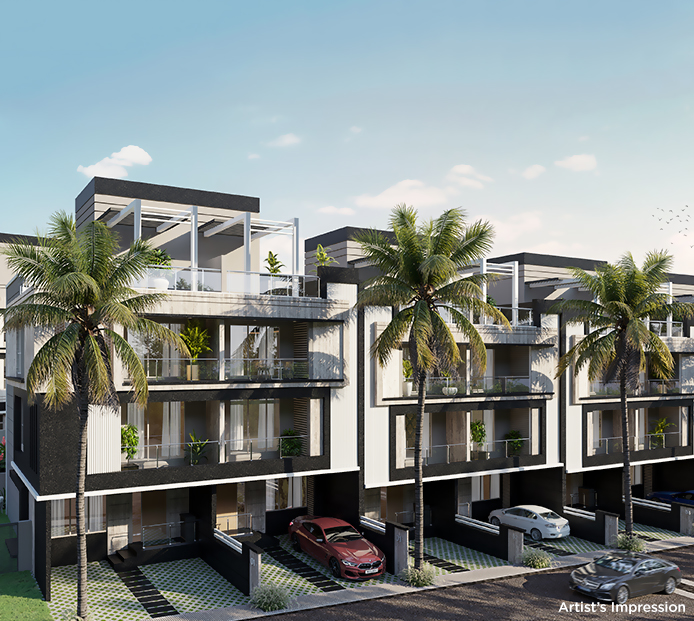
4 and 5 BHK Row Houses at 24K Espada, Hinjewadi
Possession: October 2026
RERA: P52100051876